ALLRAIL, ERFA, FTE and UIRR stressed that it is essential that the penalties introduced by the Capacity Regulation are fair, transparent, proportionate, customer-oriented and implemented consistently across Europe.
Read more
ALLRAIL, ERFA, FTE and UIRR stressed that it is essential that the penalties introduced by the Capacity Regulation are fair, transparent, proportionate, customer-oriented and implemented consistently across Europe.
Read more
Across Europe, railway undertakings and operators are facing severe capacity restrictions to infrastructure due to growing combination of last-minute changes to closure of lines, lack or low quality of alternative routes, simultaneous works and poor cross-border coordination. The result is an interrupted rail network that is becoming increasingly difficult to operate reliably and increasingly difficult for customers to trust. This is no longer an operational problem for railway undertakings. It is a threat to European supply chains, industrial competitiveness, the Single Market and the ambition to shift freight from road to rail. Europe needs to act now!
Read more-1784888672.jpg)
AERRL, ERFA, CER and EIM jointly drafted a way forward to improve current ESC processes. The sector is fully committed to working jointly with ERA to identify meaningful improvements to current ESC processes, such as reducing duplication, improving transparency, and enabling evidence reuse, while laying the groundwork for a structured, long-term phase-out. This collaboration should result in a concrete, step-by-step roadmap with clear milestones, measurable outcomes, and regular progress reviews. Only through a shared and evidence based approach can the European railway sector move toward a genuinely interoperable system in which ESC requirements become progressively obsolete. Ultimately, greater emphasis should also be placed on addressing the root causes of the lack of interoperability, such as the completeness and stability of specifications and the availability of fully compliant products. Achieving progress in these areas would naturally improve efficiency and reduce the need for additional testing.
Read more
On 17 July 2026, the European Commission will unveil a comprehensive proposal to revise the EU Emissions Trading System (ETS), aligning the carbon market with the EU 2040 climate target and industry competitiveness objectives. Just days before the proposal is unveiled, European rail and Combined Transport sectors collectively ask that the ETS remains true to its spirit: by earmarking its revenues to reward the sectors that have effectively decarbonised and hold accountable those that have not.
Read more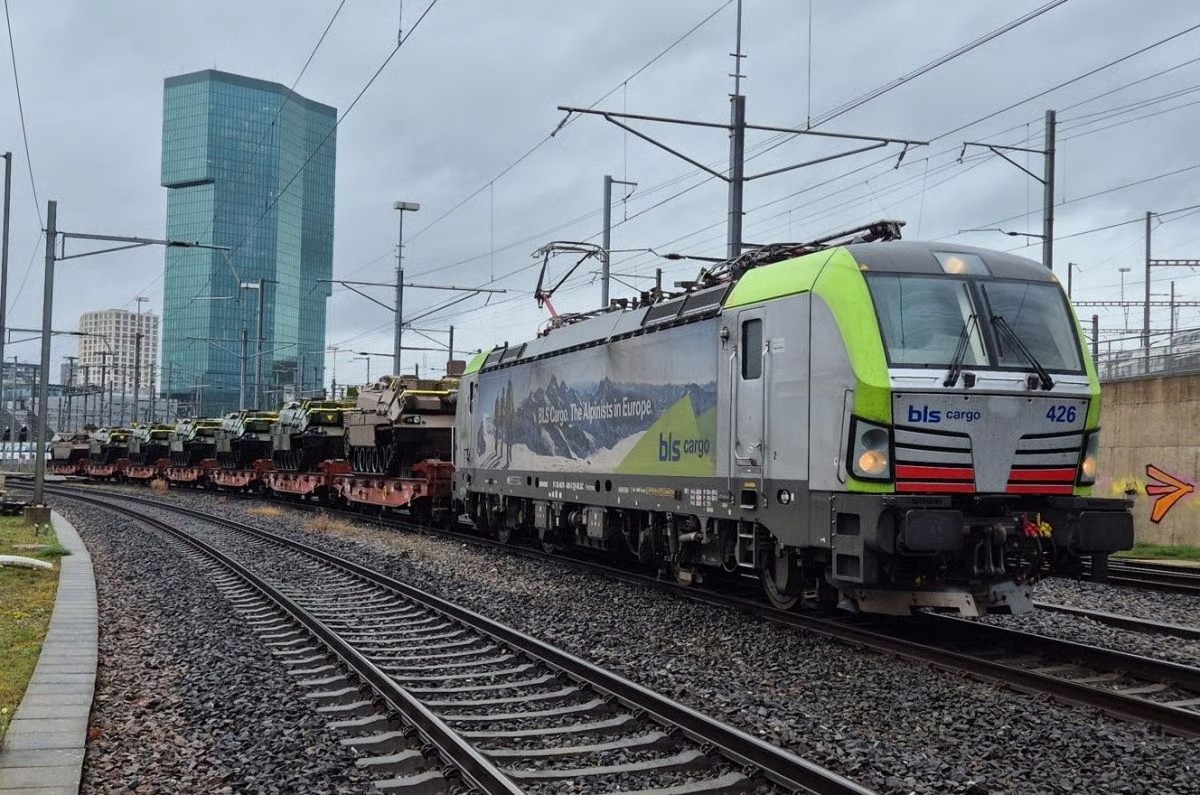
AERRL, ALLRAIL, and ERFA underline the importance of ensuring that military mobility policies reinforce the performance, resilience and interoperability of the European rail system, while remaining fully consistent with the principles of the Single European Railway Area and the existing EU railway acquis.
Read more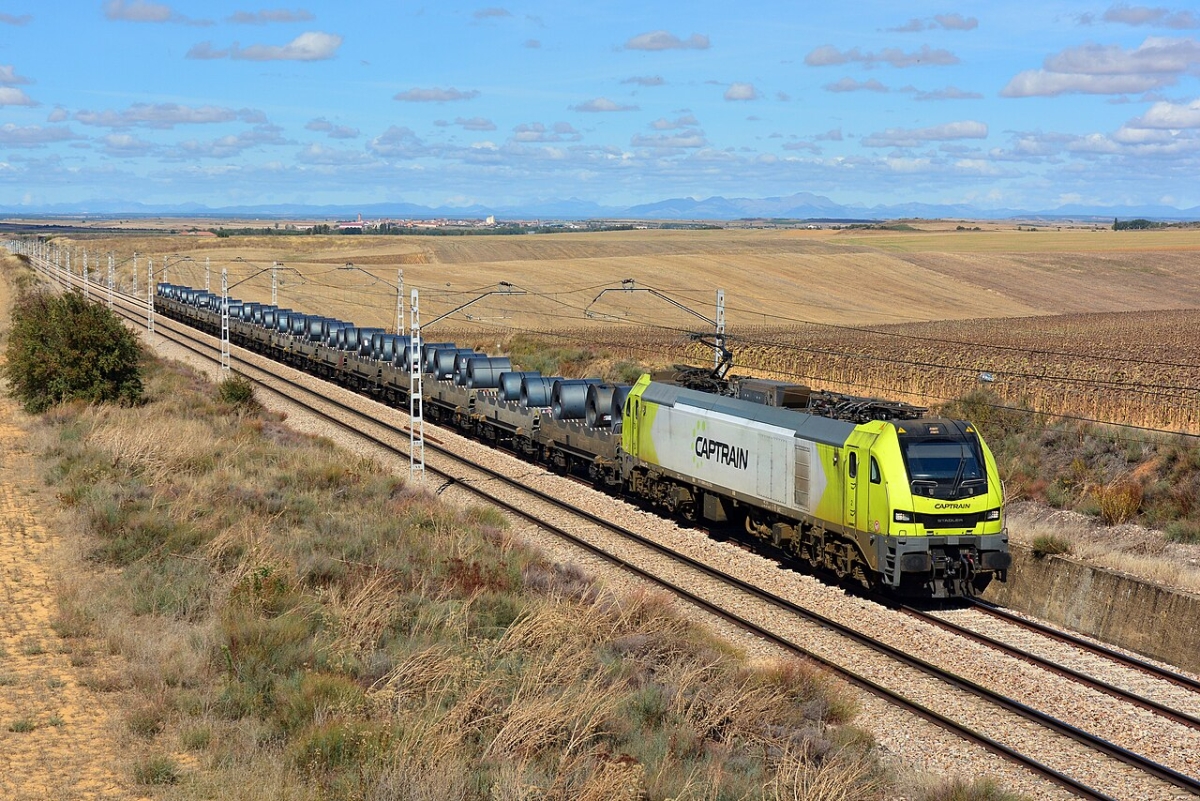
ERFA is happy to welcome the Spanish Private Railway Companies Association (Asociación de Empresas Feroviarias Privadas – AEFP) as its newest full member. The arrival of AEFP reinforces the geographical coverage of ERFA in South-West Europe and its ability to represent both individual companies and national associations.
Read more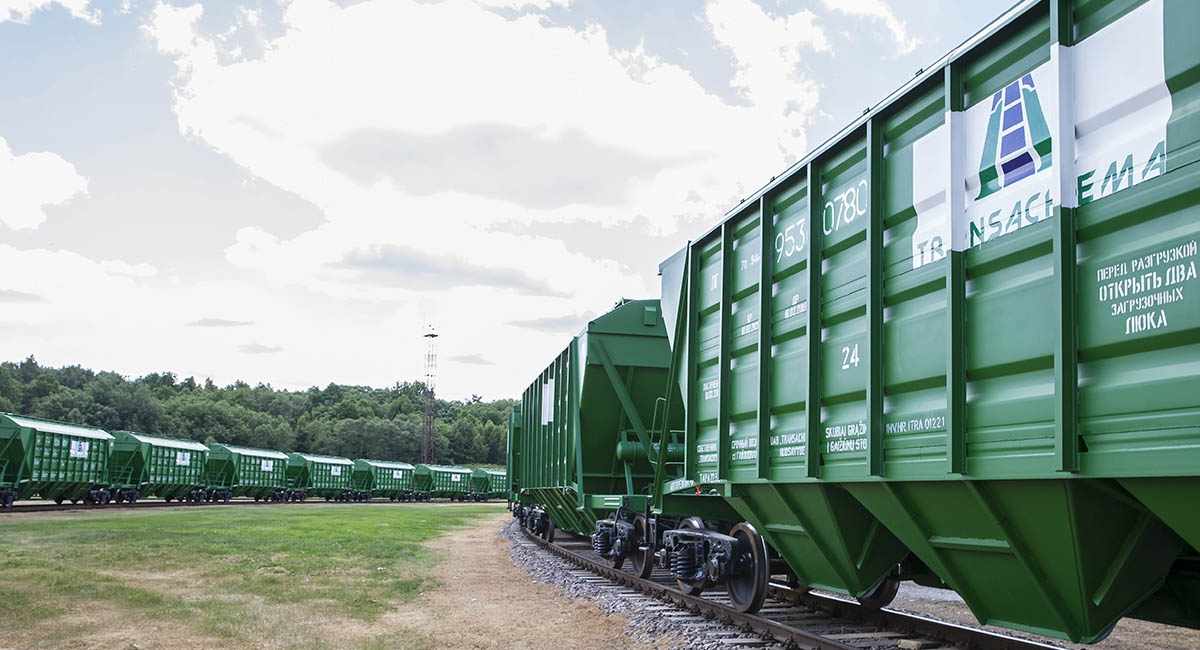
ALLRAIL, CER, ERFA, FEPORT, FTE, UIP and UIRR call on the European Commission to approve the proposal swiftly so that the platform can begin its work without delay.
Read more
Combined Transport is essential for Europe’s competitiveness, decarbonisation, energy security, supply-chain resilience and military mobility. Sector calls on the European Commission and EU Transport Ministers not to withdraw the proposal revising the Combined Transport Directive and offers Plan B. This approach would avoid a political failure, preserve momentum on Combined Transport, and allow EU institutions to deliver concrete improvements for modal shift, intermodal competitiveness and European resilience. The sector stands ready to support the Commission, the Council and the European Parliament in advancing this pragmatic solution.
Read more-1779914431.jpeg)
Europe’s railway, intermodal, leasing, manufacturing and rail freight sectors warmly welcome and strongly support the initiative from the Czech Republic, also endorsed by Austria, Belgium and Slovakia, to strengthen the European rail freight sector at both national and European level. ERFA together with AERRL, CER, UIP, UIRR and UNIFE encourage EU Transport Ministers to support the initiative during the Transport Council meeting on 8 June 2026.
Read more
Cross-Border cooperation, capacity improvement, level playing field between road toll and rail TACs and customer-focus were the key enablers to relaunch rail freight services recommended at the ERFA Annual Event on 6 may in Brussels.
Read more
The European Rail Freight Association (ERFA) announces leadership transition as Dirk Stahl formally hands over the presidency to Maciej Gladyga. This transition marks both continuity and renewal for the association as it navigates a rapidly changing European rail freight landscape.
Read more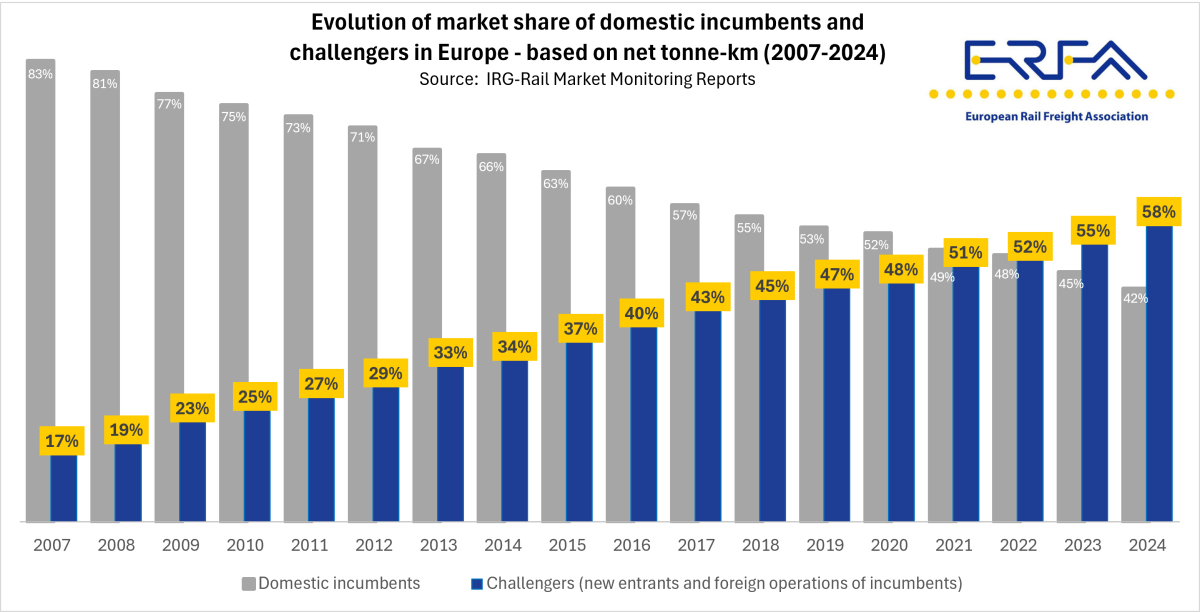
The latest IRG-Rail (Independent Regulators Groups-Rail) Market Monitoring Report includes a record market share for challengers (58%) in 2024, mainly driven by the continuous growth of new entrants that almost equal domestic incumbents (41% vs 42%). This rising importance of challengers should not set aside an overall gloomy picture for rail freight that translates into decreasing reliability and negative traffic figure in 2024.
Read more